- Support24@gmail.com
- Suite 80 Golden Street Germeney

- Let Talk +88 01 27 14 101

How to Read the Quran Correctly
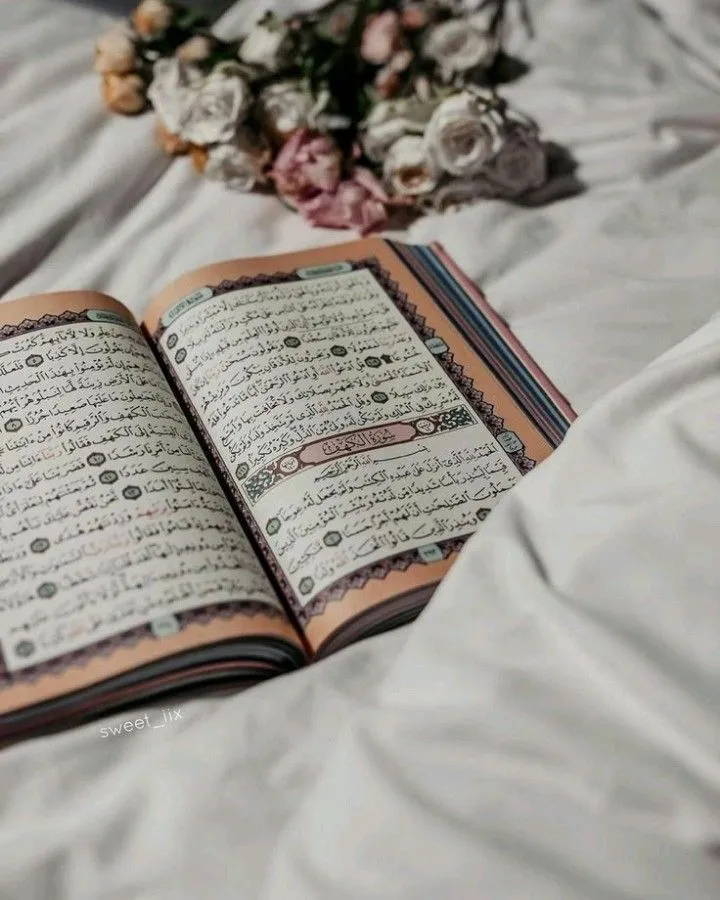
"''The one who recites the Qur’an and finds it difficult, he will have two rewards''"
Reading the Quran correctly is an important part of a Muslim’s journey with the words of Allah. For beginners, learning Arabic letters, pronunciation, and Tajweed may seem difficult at first.
With patience, regular practice, and proper guidance, anyone can improve their Quran reading.
What Does It Mean to Read the Quran Correctly?
Correct Quran reading means pronouncing its letters and words properly while following the principles of Quranic recitation.
It includes:
Recognizing Arabic letters
Pronouncing each letter correctly
Understanding vowel marks
Connecting letters and words properly
Following Tajweed rules
Observing correct stops and pauses
Why Is Correct Quran Reading Important?
Correct reading helps Muslims:
Improve Pronunciation
Give every letter its proper sound.
Build Confidence
Read the Quran with greater fluency and ease.
Avoid Mistakes
Reduce pronunciation errors that may affect meaning.
Strengthen Connection
Approach the Quran with greater care, understanding, and respect.
Start With the Basics
Begin with the Arabic alphabet, learn the vowel marks, and gradually move towards pronunciation, Makharij, and Tajweed.
Learn slowly. Practice consistently. Recite correctly.
With patience, regular practice, and proper guidance, anyone can improve their Quran reading.
What Does It Mean to Read the Quran Correctly?
Correct Quran reading means pronouncing its letters and words properly while following the principles of Quranic recitation.
It includes:
Recognizing Arabic letters
Pronouncing each letter correctly
Understanding vowel marks
Connecting letters and words properly
Following Tajweed rules
Observing correct stops and pauses
Why Is Correct Quran Reading Important?
Correct reading helps Muslims:
Improve Pronunciation
Give every letter its proper sound.
Build Confidence
Read the Quran with greater fluency and ease.
Avoid Mistakes
Reduce pronunciation errors that may affect meaning.
Strengthen Connection
Approach the Quran with greater care, understanding, and respect.
Start With the Basics
Begin with the Arabic alphabet, learn the vowel marks, and gradually move towards pronunciation, Makharij, and Tajweed.
Learn slowly. Practice consistently. Recite correctly.
From Pronunciation to Tajweed
Once you become familiar with the Arabic letters and vowel marks, the next step is to develop accurate pronunciation and gradually learn the rules of Tajweed.
Step 1 — Learn the Arabic Alphabet
If you are completely new to Quran reading, begin with the Arabic alphabet.
Learn to recognize each letter and understand its correct sound. Some Arabic letters may look or sound unfamiliar, so focus on how they are pronounced, not only how they look.
Practice each letter individually before moving to combinations and words.
Step 2 — Learn the Vowel Marks
After learning the letters, become familiar with the basic vowel signs used in the Quran.
Fathah (َ) - short “a” sound
Kasrah (ِ) - short “i” sound
Dammah (ُ) - short “u” sound
Sukoon (ْ) - absence of a vowel
Shaddah (ّ) - indicates a doubled letter
Tanween (ً ٍ ٌ) - adds an “n” sound at the end of certain words
Understanding these signs makes it easier to read Quranic words correctly.
Step 3 - Learn How Arabic Letters Connect
Arabic letters can change their form depending on their position in a word.
Beginners can gradually practice:
Letters → Combinations → Short Words → Quranic Words → Verses
As you become comfortable with connected letters, reading Quranic text becomes easier and more natural.
Step 4 - Focus on Correct Pronunciation
Pronunciation is one of the most important foundations of Quran reading.
Some Arabic letters may look or sound similar, but they have different articulation points and characteristics.
For example:
س — ص — ث
These are three different letters and should not be pronounced in the same way.
A qualified Quran teacher can identify pronunciation mistakes that learners may not notice themselves.
Step 5 - Learn the Basics of Tajweed
Tajweed refers to the principles and rules used for correct Quranic recitation.
It teaches learners how letters should be pronounced and how different sounds should be handled during recitation.
Important topics include:
Makharij al-Huruf
Noon Sakinah & Tanween
Meem Sakinah
Qalqalah
Madd
Idgham
Ikhfa
Iqlab
Rules of stopping and starting
You do not need to master everything at once. Begin with the basics and build your knowledge gradually.
Step 6 - Understand Makharij
Makharij refers to the articulation points from which Arabic letters are pronounced.
Different letters originate from different areas, including the throat, tongue, lips, and nasal passage.
Learning Makharij helps students distinguish between similar sounds and improve the accuracy of their recitation.
Step 7 - Practice Slowly
One of the common mistakes beginners make is trying to read too quickly.
Accuracy comes before speed.
Instead:
Read slowly
Pronounce each letter clearly
Pay attention to vowel marks
Apply the rules you have learned
Repeat difficult words and verses
Gradually increase your reading speed
Remember:
Slow and correct is better than fast and careless.
Step 8 - Listen to Good Quran Recitation
Listening to experienced Quran reciters can help learners become familiar with pronunciation, rhythm, pauses, and recitation patterns.
A useful method is:
Listen → Repeat → Record → Compare → Correct → Repeat
Whenever possible, ask a qualified teacher to listen to your recitation and provide feedback.
Step 9 - Practice Every Day
Consistency is more valuable than occasional long study sessions.
Even 15–20 minutes of focused practice each day can help you make steady progress.
A simple routine can be:
5 Minutes - Review letters or Tajweed rules
10 Minutes - Read the Quran slowly
5 Minutes - Practice difficult words or verses
As your confidence grows, you can gradually increase your practice time.
Common Mistakes When Reading the Quran
1. Reading Too Quickly
Reading fast can cause you to miss letters, vowel marks, or Tajweed rules.
2. Ignoring Pronunciation
Every letter should be pronounced carefully. Similar-looking or similar-sounding letters should not be mixed up.
3. Skipping Tajweed
Learning basic Tajweed provides an important foundation for accurate Quranic recitation.
4. Practicing Occasionally
Irregular practice makes it difficult to develop confidence and fluency.
5. Learning Only Through Audio
Listening is helpful, but it may not reveal your own pronunciation mistakes. Personal correction is valuable.
6. Being Afraid of Mistakes
Mistakes are a natural part of learning. Recognize them, correct them, and continue practicing.
Can You Learn to Read the Quran at Home?
Yes. You can practice Quran reading at home, but learning with a qualified Quran teacher can make the process easier and more effective.
A teacher can:
Correct your pronunciation
Explain difficult letters
Teach Tajweed step by step
Identify repeated mistakes
Monitor your progress
Create suitable practice plans
Help you build consistent habits
This is especially helpful for children, beginners, and learners starting from the basics.
How Long Does It Take to Learn?
There is no fixed amount of time required to learn Quran reading.
Every learner is different.
Progress can depend on:
Previous Arabic knowledge
Age and learning ability
Daily practice
Pronunciation skills
Learning method
Teacher support
Regularity and consistency
Someone who practices regularly may progress faster than someone who studies only occasionally.
Instead of focusing on how quickly you finish, focus on learning correctly and continuing consistently.
Tips to Improve Your Quran Reading
Practice every day
Start with short Surahs
Read slowly and carefully
Learn the Arabic alphabet properly
Practice difficult letters
Study Tajweed step by step
Listen to good Quran recitation
Read aloud instead of only looking at the words
Ask a teacher to correct your mistakes
Review what you have already learned
Be patient with yourself
Final Thoughts
Learning to read the Quran correctly is a journey, not a race.
You do not need to be perfect from the beginning.
Start with the alphabet. Learn the vowel signs. Work on your pronunciation. Understand Makharij. Gradually learn Tajweed and make Quran reading part of your daily routine.
The important thing is not to become discouraged by mistakes. Learn, correct, practice, and continue. With regular practice and proper guidance, you can improve your Quran reading step by step and develop greater confidence in your recitation.
Begin your Quran learning journey with EduThanzeel - Learn. Recite. Understand. Practice.
Once you become familiar with the Arabic letters and vowel marks, the next step is to develop accurate pronunciation and gradually learn the rules of Tajweed.
Step 1 — Learn the Arabic Alphabet
If you are completely new to Quran reading, begin with the Arabic alphabet.
Learn to recognize each letter and understand its correct sound. Some Arabic letters may look or sound unfamiliar, so focus on how they are pronounced, not only how they look.
Practice each letter individually before moving to combinations and words.
Step 2 — Learn the Vowel Marks
After learning the letters, become familiar with the basic vowel signs used in the Quran.
Fathah (َ) - short “a” sound
Kasrah (ِ) - short “i” sound
Dammah (ُ) - short “u” sound
Sukoon (ْ) - absence of a vowel
Shaddah (ّ) - indicates a doubled letter
Tanween (ً ٍ ٌ) - adds an “n” sound at the end of certain words
Understanding these signs makes it easier to read Quranic words correctly.
Step 3 - Learn How Arabic Letters Connect
Arabic letters can change their form depending on their position in a word.
Beginners can gradually practice:
Letters → Combinations → Short Words → Quranic Words → Verses
As you become comfortable with connected letters, reading Quranic text becomes easier and more natural.
Step 4 - Focus on Correct Pronunciation
Pronunciation is one of the most important foundations of Quran reading.
Some Arabic letters may look or sound similar, but they have different articulation points and characteristics.
For example:
س — ص — ث
These are three different letters and should not be pronounced in the same way.
A qualified Quran teacher can identify pronunciation mistakes that learners may not notice themselves.
Step 5 - Learn the Basics of Tajweed
Tajweed refers to the principles and rules used for correct Quranic recitation.
It teaches learners how letters should be pronounced and how different sounds should be handled during recitation.
Important topics include:
Makharij al-Huruf
Noon Sakinah & Tanween
Meem Sakinah
Qalqalah
Madd
Idgham
Ikhfa
Iqlab
Rules of stopping and starting
You do not need to master everything at once. Begin with the basics and build your knowledge gradually.
Step 6 - Understand Makharij
Makharij refers to the articulation points from which Arabic letters are pronounced.
Different letters originate from different areas, including the throat, tongue, lips, and nasal passage.
Learning Makharij helps students distinguish between similar sounds and improve the accuracy of their recitation.
Step 7 - Practice Slowly
One of the common mistakes beginners make is trying to read too quickly.
Accuracy comes before speed.
Instead:
Read slowly
Pronounce each letter clearly
Pay attention to vowel marks
Apply the rules you have learned
Repeat difficult words and verses
Gradually increase your reading speed
Remember:
Slow and correct is better than fast and careless.
Step 8 - Listen to Good Quran Recitation
Listening to experienced Quran reciters can help learners become familiar with pronunciation, rhythm, pauses, and recitation patterns.
A useful method is:
Listen → Repeat → Record → Compare → Correct → Repeat
Whenever possible, ask a qualified teacher to listen to your recitation and provide feedback.
Step 9 - Practice Every Day
Consistency is more valuable than occasional long study sessions.
Even 15–20 minutes of focused practice each day can help you make steady progress.
A simple routine can be:
5 Minutes - Review letters or Tajweed rules
10 Minutes - Read the Quran slowly
5 Minutes - Practice difficult words or verses
As your confidence grows, you can gradually increase your practice time.
Common Mistakes When Reading the Quran
1. Reading Too Quickly
Reading fast can cause you to miss letters, vowel marks, or Tajweed rules.
2. Ignoring Pronunciation
Every letter should be pronounced carefully. Similar-looking or similar-sounding letters should not be mixed up.
3. Skipping Tajweed
Learning basic Tajweed provides an important foundation for accurate Quranic recitation.
4. Practicing Occasionally
Irregular practice makes it difficult to develop confidence and fluency.
5. Learning Only Through Audio
Listening is helpful, but it may not reveal your own pronunciation mistakes. Personal correction is valuable.
6. Being Afraid of Mistakes
Mistakes are a natural part of learning. Recognize them, correct them, and continue practicing.
Can You Learn to Read the Quran at Home?
Yes. You can practice Quran reading at home, but learning with a qualified Quran teacher can make the process easier and more effective.
A teacher can:
Correct your pronunciation
Explain difficult letters
Teach Tajweed step by step
Identify repeated mistakes
Monitor your progress
Create suitable practice plans
Help you build consistent habits
This is especially helpful for children, beginners, and learners starting from the basics.
How Long Does It Take to Learn?
There is no fixed amount of time required to learn Quran reading.
Every learner is different.
Progress can depend on:
Previous Arabic knowledge
Age and learning ability
Daily practice
Pronunciation skills
Learning method
Teacher support
Regularity and consistency
Someone who practices regularly may progress faster than someone who studies only occasionally.
Instead of focusing on how quickly you finish, focus on learning correctly and continuing consistently.
Tips to Improve Your Quran Reading
Practice every day
Start with short Surahs
Read slowly and carefully
Learn the Arabic alphabet properly
Practice difficult letters
Study Tajweed step by step
Listen to good Quran recitation
Read aloud instead of only looking at the words
Ask a teacher to correct your mistakes
Review what you have already learned
Be patient with yourself
Final Thoughts
Learning to read the Quran correctly is a journey, not a race.
You do not need to be perfect from the beginning.
Start with the alphabet. Learn the vowel signs. Work on your pronunciation. Understand Makharij. Gradually learn Tajweed and make Quran reading part of your daily routine.
The important thing is not to become discouraged by mistakes. Learn, correct, practice, and continue. With regular practice and proper guidance, you can improve your Quran reading step by step and develop greater confidence in your recitation.
Begin your Quran learning journey with EduThanzeel - Learn. Recite. Understand. Practice.